
What is Tuberculosis ?
Home » What is Tuberculosis ?
Tuberculosis is a bacterial disease caused by Mycobacterium tuberculosis or Koch’s bacillus. TB generally affects the lungs but can also have an effect on kidneys, bones, the brain, glands or other organs.
Tuberculosis is spread through the air when people who have active TB propel germs in the air by coughing, spitting, speaking or sneezing. A person only needs to inhale a few germs to become infected. People with latent TB do not spread the disease.
Mycobacterium tuberculosis needs to be distinguished from nontuberculous mycobacteria (NTM), which are widely distributed in the environment (soil, water) and can sometimes cause disease but are not transmitted from human to human.
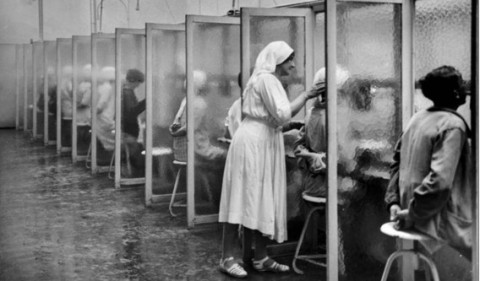
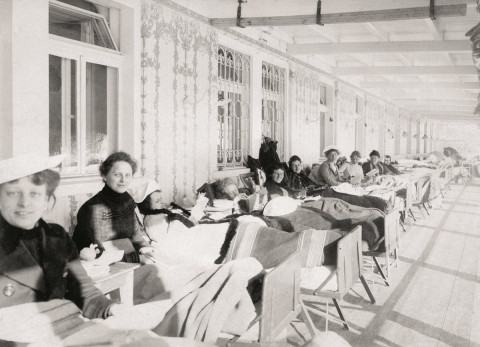
People infected with TB bacteria have a 5-15% lifetime risk of falling ill. However, people with compromised immune systems, such as people living with HIV, malnutrition or diabetes, people who use tobacco, have a much higher risk of falling ill.
Millions of people continue to fall ill with TB each year.
The most common symptoms of active lung TB are a persistent cough (often with phlegm), loss of appetite, weight loss, chest pain, fever, night sweats, and fatigue.
Tuberculosis is a curable and preventable. Today it is usually treated with an antibiotic cure of 6 to 9 months. However antibiotic resistance is a growing problem with increasing rates of MDR TB (multidrug resistant tuberculosis) and XDR TB (extensively drug resistant tuberculosis).
Millions of people continue to fall ill with TB each year. In 2017 there were more than 10 million cases of active TB worldwide which resulted in 1.6 million deaths. This makes it one of the top 10 causes of death. Although tuberculosis is more common in developing countries it remains an area of concern in Belgium with 971 new cases in 2017.
Belgium is one of the low-incidence countries but with a higher rate compared to its neighbouring countries. In Belgium TB mainly occurs in big cities due to the high concentration of persons at risk such as the homeless, the under-privileged and people from high-incidence countries.
Thanks to better treatment and prevention, globally TB incidence is falling with 2% each year. Ending the TB epidemic by 2030 is one of the Sustainable Development Goals of the United Nations.
Learn more about the prevention and treatment of tuberculosis via:
Belgium